



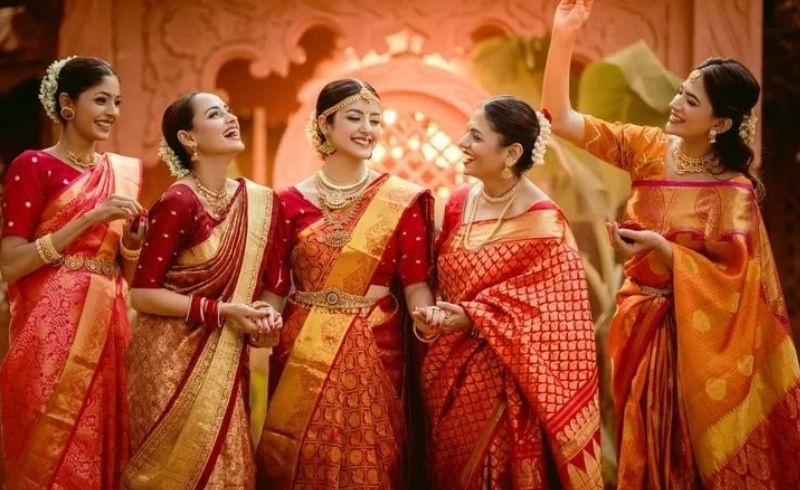
Bridal Sarees Buying Guide: What to Check Before You Pay (Weave, Zari, and Weight)
While choosing a bridal saree, most buyers judge the colour and skip the construction. If you are shopping for high-quality silk sarees, the weave, zari, and fabric weight tell you more than the showroom lighting ever will. A saree that looks stunning under a spotlight can still sag, fray or tarnish within two wears. Pothys, known for its traditional silk saree collections and wedding wear, offers a starting point for exploring bridal sarees where craftsmanship, fabric quality, and intricate detailing deserve as much attention as appearance.
Before making a purchase, understanding these details can help you choose a saree that looks beautiful on your wedding day and retains its appeal for years to come.
How to Check the Weave Quality of a Bridal Saree
Hold the fabric up against light. Even, closely packed threads mean good weaving density. Gaps, thin patches, or visible slack lines mean the loom was rushed, or the yarn was poor.
Run your palm across the surface. Silk thread quality shows up as a smooth, cool feel with a slight natural lustre. Rough or uneven yarn feels dry.
A few quick tests:
Look at the reverse side. Weave consistency should match the front, with tidy float threads and no loose tangles.
Gently pull a small section sideways. A well-woven piece resists distortion.
Check motif alignment across the body. Patterns that drift or break at the seams point to hurried work.
Thread count matters, though it is often quoted loosely in shops. Ask how it was measured, and treat vague answers with suspicion.
How to Check Zari Quality and Purity
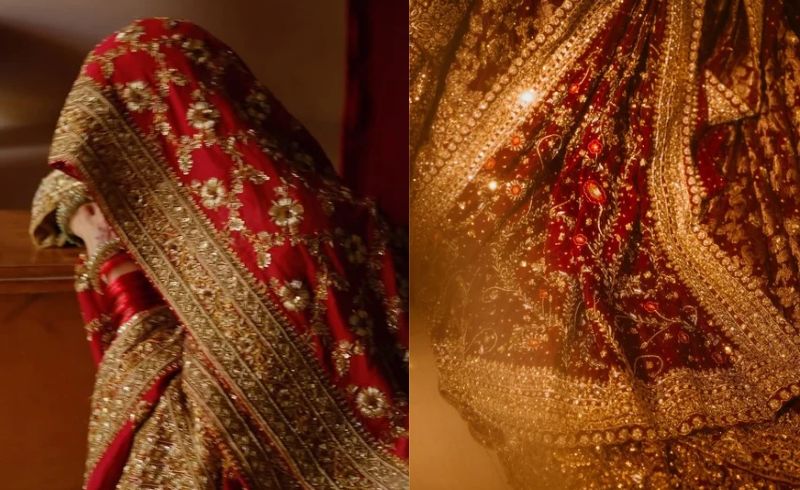
Zari is where prices climb fast, and where shortcuts hide best. Pure zari is made with real gold and silver wound over a silk or cotton core. Imitation zari is typically metallic-coated polyester.
Real zari has a soft, warm glow. Fake zari glitters harshly, almost like tinsel. Zari purity can also be judged by how it ages: genuine metal darkens gently, while plastic-based thread peels or yellows.
| Feature | Gold and Silver zari | Imitation Zari |
| Shine | Warm, subtle | Sharp, mirror-like |
| Feel | Slightly rough, dense | Light, plasticky |
| Ageing | Dulls gradually | Flakes or discolours |
| Price | High | Noticeably lower |
Ask for a zari purity certificate where one is offered. A seller who hesitates over that question has already given you an answer.
How Heavy Should a Bridal Saree Be?
Heavier is not automatically better. Fabric weight should match the weave and the zari load. A Kanjivaram with dense gold work will naturally weigh more than a tissue silk saree, and that is fine.
The problem is weight that comes from padding, stiff backing, or cheap filler yarn. A saree should feel substantial yet fall in soft folds. Drape it over your forearm and let go. Good saree fall and drape mean the cloth settles smoothly rather than standing away from the body.
Consider the wedding itself. A six-hour ceremony in a warm hall is a very different test from a short evening reception. Fabric durability and comfort both belong in the decision.
For tissue silk texture specifically, look for a light, slightly crisp hand. It should shimmer without feeling brittle.
How to Identify a Pure Silk Bridal Saree
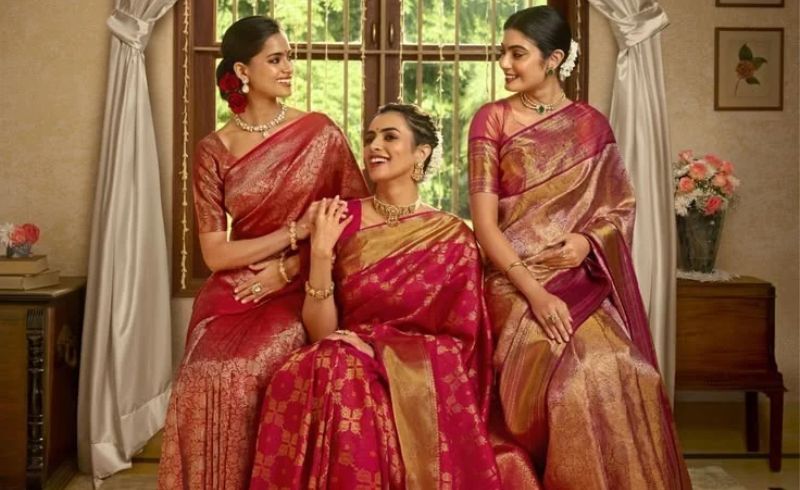
Buyers often ask how to identify pure silk saree material without a lab. You cannot be certain at the counter, but several checks narrow the odds considerably.
Burn test: A few threads from the fringe burn slowly and smell like burnt hair, leaving crushable ash. Synthetics melt into hard beads.
Lustre: Real silk shifts in shade as you tilt it. Polyester holds one flat shine.
Rub test: Silk warms up when rubbed between fingers.
Handloom certification: Look for the Handloom Mark or a Silk Mark label, then verify the tag number rather than trusting the label alone.
Silk authenticity is easier to confirm when the seller can name the weaving cluster, the loom type, and the weaver. Hazy provenance is a warning sign.
What to Check in the Border, Pallu and Blouse Piece
These three areas are where finishing quality is exposed.
Border finishing: The border should be woven in cleanly, with no puckering where it meets the body. Edges must be stable, not fraying.
Pallu craftsmanship: This is the showpiece. Check that the design is dense, balanced, and properly anchored, since a heavy pallu on weak foundation threads will pull and distort over time.
Blouse piece quality: Often neglected. It should match the saree in shade, weave, and zari, and be long enough to stitch properly. Any embroidery finish should be neat on both sides, with no trailing threads.
Colour fastness deserves a mention here as well. Dab a damp white cloth on a hidden corner. Dye transfer on the cloth is a red flag, particularly with deep reds and maroons.
What to Confirm Before Paying for a Bridal Saree
Before the payment, settle a few things in writing:
Fibre content and zari type on the invoice
Return and exchange terms
Certification or tag numbers, copied down
Blouse piece length and any alteration charges
Dry-cleaning or care instructions
When browsing the latest bridal sarees, new designs can pull attention away from these basics. Trends change each season. Construction does not.
Compare two or three options on the same checklist, and the clear choice tends to emerge without much drama.
Final Checks Before You Buy
A good bridal saree passes four tests: the weave is even, the zari is honest, the weight suits the weave, and the finishing holds up on close inspection. Each takes minutes.
None of this requires expert training. It requires patience and a willingness to ask direct questions. Use the checklist, trust what the fabric tells you, and let the colour decide only after the quality has been confirmed.


- Previous Article
- ‒ Back to Overview ‒
- Next Article
Search Blog
Popular POSTS
70+ Absolute Best Bollywood Sangeet Songs to Dance on Like No One is Watching!
Team Weddingz
Sept. 23, 2022
25 Best Bridal Lehenga & Bridal Wear Shops in Mumbai
Team Weddingz
Nov. 10, 2022
Latest Bridal Lehenga Trends for 2016
Team Weddingz
Jan. 11, 2016
13 Top Makeup Brands for Brides Used By Professional Makeup Artists (Psst! – Our Favourite Picks Included)
Team Weddingz
Feb. 8, 2016
7 Best Candid Wedding Photographers in Delhi You Need to Check Out Now!
Team Weddingz
June 22, 2016
Showing Top Categories

Looking For wedding venues?


 Set your account password
Enter your account password to proceed
Login with your facebook account to proceed